Concrete Fencing vs Traditional Fence Materials
People exploring concrete fencing vs traditional fence materials often seek durable, low-maintenance solutions, and local contractors can help determine the best option for their needs.
Property owners exploring fencing options often find themselves weighing the benefits of concrete fencing versus traditional fence materials. This decision can impact privacy, durability, and maintenance needs, making it an important consideration for those seeking a long-lasting and practical solution. Whether for securing a yard, creating a boundary, or enhancing curb appeal, understanding the differences can help in choosing the right material for specific needs. Local contractors specializing in concrete fencing can provide insights and services tailored to the unique demands of the area, ensuring the installation aligns with both functional and aesthetic goals.
As homeowners and property managers look into fencing options, practical factors such as weather resistance, security, and longevity often come into focus. Concrete fencing offers a solid, low-maintenance alternative to wood, vinyl, or chain-link fences, which may require frequent repairs or replacement. Local service providers who understand the local environment can assist in evaluating whether concrete fencing is a suitable choice, helping to weigh its advantages against traditional materials. Keep reading to discover how concrete fencing compares and how local experts can support a decision that best suits specific property needs.
- Residential privacy fencing - homeowners seeking long-lasting privacy solutions often consider concrete fencing for its durability and low maintenance, with local contractors specializing in custom concrete installations.
- Commercial property barriers - businesses needing secure and resilient enclosures prefer concrete fencing over traditional materials, and local service providers can tailor solutions to meet security standards.
- Property boundary marking - landowners looking for permanent boundary solutions often choose concrete fencing for its strength, with local pros handling the installation efficiently.
- Erosion control and retaining walls - projects that require sturdy barriers to prevent soil erosion benefit from concrete fencing, with local contractors offering expert construction services.
- Aesthetic fencing options - those wanting a modern, sleek appearance may opt for concrete fencing, as local service providers can customize designs to complement property styles.
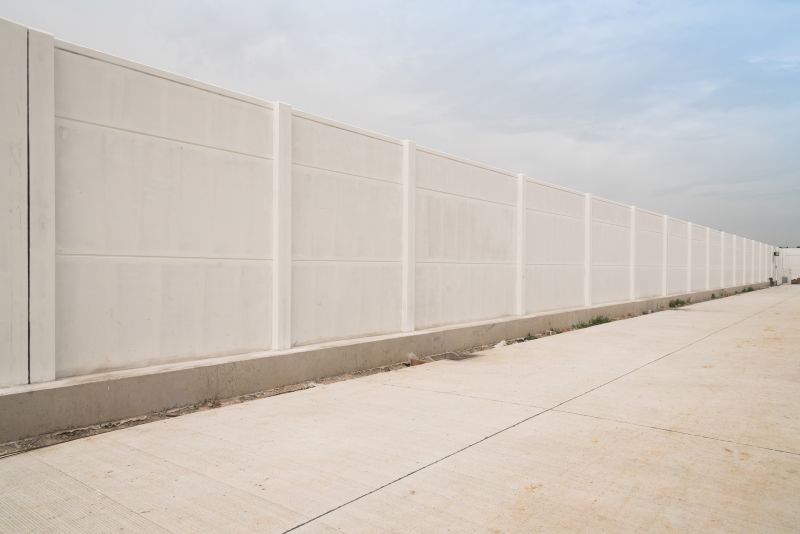
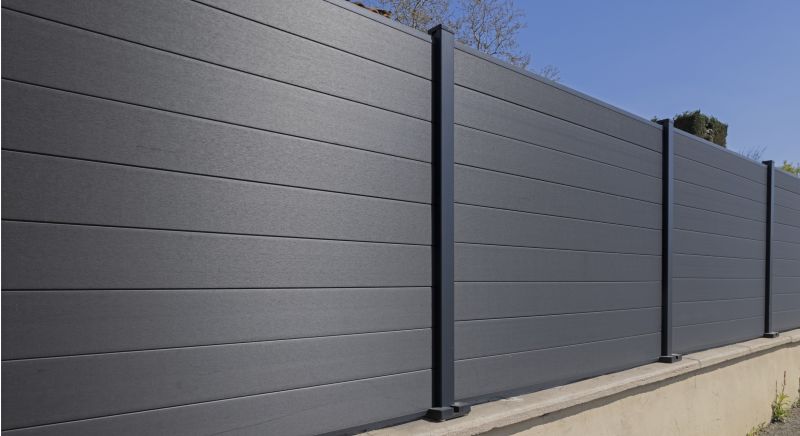
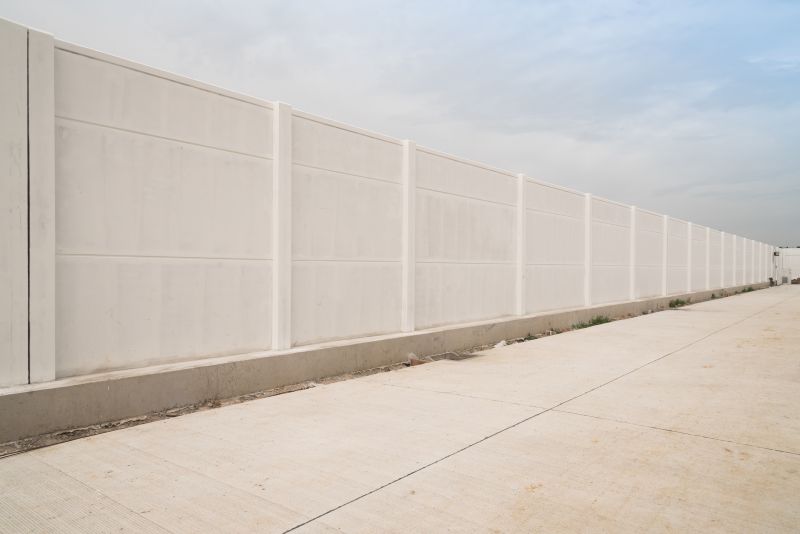
When people search for concrete fencing vs traditional fence materials, they are often exploring options to enhance privacy, security, and property boundaries. This comparison typically arises during planning for a new fencing project or when considering upgrades to an existing fence. Homeowners may be seeking a durable solution that requires minimal maintenance or one that offers a specific aesthetic. The search indicates a desire to understand the advantages and limitations of different materials, helping them make informed decisions about which type will best suit their property’s needs.
These discussions are closely tied to various property plans and problems. For example, homeowners who want a long-lasting barrier that withstands weather and time might lean toward concrete fencing. Conversely, those interested in a more traditional look or a less invasive installation process might consider wood, vinyl, or chain-link fences. Many property owners also think about security concerns, noise reduction, or privacy, which influence their choice of fencing material. Local contractors who specialize in concrete fencing can provide insights into how concrete compares in these areas and help address specific property challenges.
Properties that typically come up in these comparisons include residential yards, commercial lots, and even some multi-family complexes. Residential properties often seek fencing that offers privacy and curb appeal, making concrete fencing an appealing option for those wanting a solid, secure perimeter. Commercial sites may prioritize durability and low maintenance, especially in high-traffic areas. Multi-family residential buildings sometimes choose concrete fencing for its ability to create secure, noise-buffering boundaries between units. Each property type has unique requirements, and local service providers can help evaluate which fencing material aligns with these needs.
Understanding the differences between concrete fencing and traditional fence materials helps homeowners see how each option fits into their property plans. Concrete fencing, known for its strength and longevity, can be a practical choice for those seeking a permanent barrier that resists pests, rot, and weather damage. Traditional materials like wood or vinyl may offer quicker installation and a more classic look but often require more upkeep over time. Local contractors specializing in concrete fencing are equipped to guide property owners through these considerations, ensuring the chosen fencing material aligns with the property’s functional and aesthetic goals.
Retaining Wall Construction - Building retaining walls involves planning and skillsets similar to concrete fencing, with an emphasis on structural stability and material handling, which local contractors can provide.
Landscape Border Installation - Installing landscape borders requires precise planning and the use of similar tools as concrete fencing, making it a related project for local service providers.
Concrete Patio and Walkway Projects - Creating concrete patios and walkways involves concrete mixing and setting techniques comparable to those used in concrete fencing installations.
Outdoor Living Space Design - Designing and constructing outdoor living features often requires planning and material knowledge that overlap with concrete fencing projects handled by local pros.
Security Wall Construction - Building security walls shares planning, material handling, and construction skills with concrete fencing, making it a related project for local contractors.
Boundary Wall Projects - Erecting boundary walls involves similar planning, site preparation, and concrete work skills as those needed for concrete fencing, which local service providers can perform.
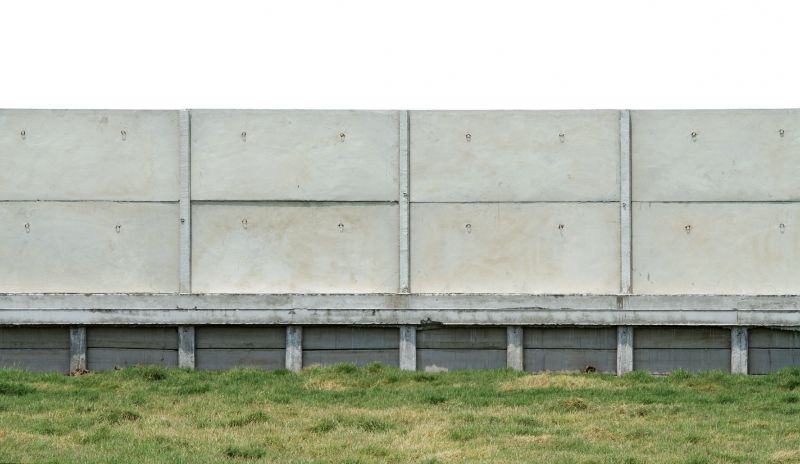
When evaluating service providers for concrete fencing versus traditional fence materials, it is important to consider their experience with similar projects. Homeowners should look for local contractors who have a proven track record in installing concrete fencing, as this ensures familiarity with the specific challenges and techniques involved. Asking for references or examples of past work can provide insight into their expertise and the quality of their installations, helping to determine if they are well-versed in handling the unique aspects of concrete fencing compared to traditional options like wood or vinyl.
Clear written expectations are essential when comparing local contractors for fencing services. Homeowners should seek detailed proposals that outline the scope of work, materials to be used, and the projected process for installation. This clarity helps prevent misunderstandings and ensures that both parties are aligned on the project’s goals. When considering concrete fencing, understanding how the contractor plans to handle the mixing, curing, and finishing processes can be especially important, as these factors can influence the durability and appearance of the finished fence.
Effective communication and reputable references are key indicators of a dependable fencing service provider. Homeowners should prioritize local contractors who are responsive to inquiries and willing to provide references from previous clients. This feedback can reveal the contractor’s professionalism, reliability, and ability to deliver results that meet expectations. Good communication throughout the project is particularly valuable when choosing between concrete fencing and traditional materials, as it helps address questions about maintenance, longevity, and customization options, ensuring a smooth and satisfactory installation process.
Property owners often search for concrete fencing vs traditional fence materials when they are planning practical projects around their homes and businesses. Local pros provide Concrete Fencing services for everyday jobs and straightforward project options.
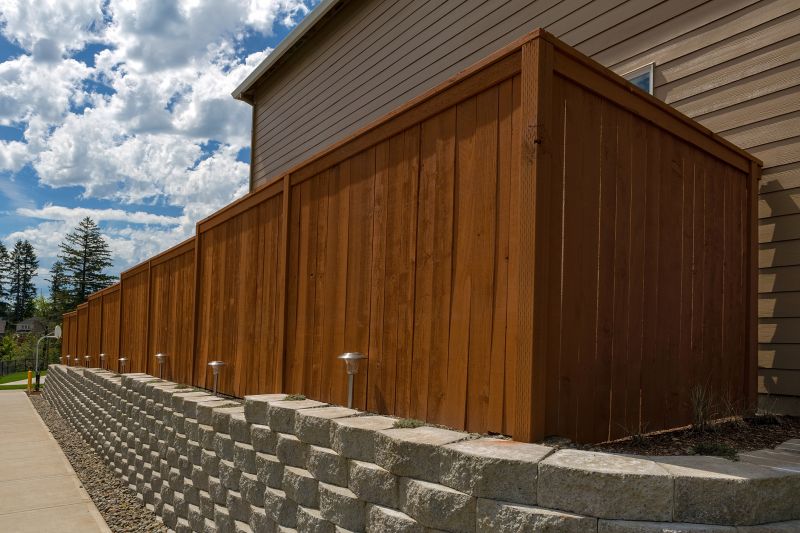
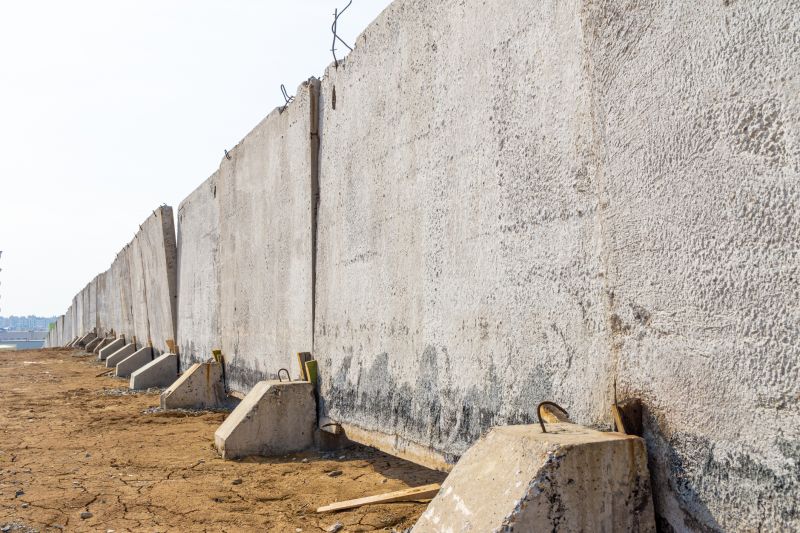
When considering fencing options for a property, many homeowners in the area explore the differences between concrete fencing and traditional fence materials. Concrete fencing offers a durable and low-maintenance solution that can withstand the elements and provide long-lasting privacy. Homeowners often look into this option when seeking a sturdy barrier that requires minimal upkeep over time, especially in areas prone to weather challenges or where security is a priority. Local contractors specializing in concrete fencing can help evaluate the specific needs of a property and recommend the best approach to achieve both function and aesthetic appeal.
On the other hand, traditional fence materials such as wood, vinyl, or chain-link are frequently chosen for their affordability and ease of installation. Property owners might research these options when seeking a quick or cost-effective way to define boundaries or enhance curb appeal. However, some may find that these materials require more frequent maintenance or may not offer the same level of durability as concrete fencing. Local service providers experienced in concrete fencing can provide insight into how this modern alternative compares to traditional options, helping property owners make informed decisions based on their specific project goals and preferences.
How does concrete fencing compare to traditional fence materials in durability? Concrete fencing generally offers higher durability and resistance to weather, pests, and decay compared to traditional materials like wood or vinyl, making it a long-lasting option handled by local contractors.
Are concrete fences more maintenance-intensive than traditional fences? Concrete fences typically require less maintenance than traditional fences, as they do not need staining, painting, or regular repairs, which local service providers can help maintain.
Can concrete fencing be customized to match different aesthetic preferences? Yes, local contractors can customize concrete fencing with various textures, colors, and designs to complement different styles, unlike some traditional materials that have limited options.
Is concrete fencing suitable for privacy and security purposes? Concrete fencing provides excellent privacy and security due to its solid construction, making it a preferred choice for those seeking a secure boundary with the help of local pros.
How does the installation process of concrete fencing differ from traditional fencing materials? Installing concrete fencing often involves different techniques, such as pouring or attaching pre-cast panels, which local contractors are experienced in compared to the typical post-and-panel setup of traditional fences.
Durability considerations - Property owners can evaluate the longevity of concrete fencing versus traditional materials for their specific climate and weather conditions with the help of local contractors.
Design flexibility - Homeowners can explore different styles and finishes that concrete fencing offers compared to traditional options, guided by local pros’ expertise in customization.
Maintenance needs - Discussing the long-term upkeep of concrete fencing versus traditional fences can help property owners choose a low-maintenance solution with local service providers.
Installation options - Property owners can consider various installation methods and site requirements for concrete fencing compared to traditional materials, with advice from local contractors.
If you are thinking about concrete fencing vs traditional fence materials for a property, this guide is meant to help you understand this topic, the typical project types, and how different options might fit your plans.
When you are ready, you can use the quote form on this page to share a few details about your project. From there, local pros can review the basics and follow up with options that match what you have in mind.